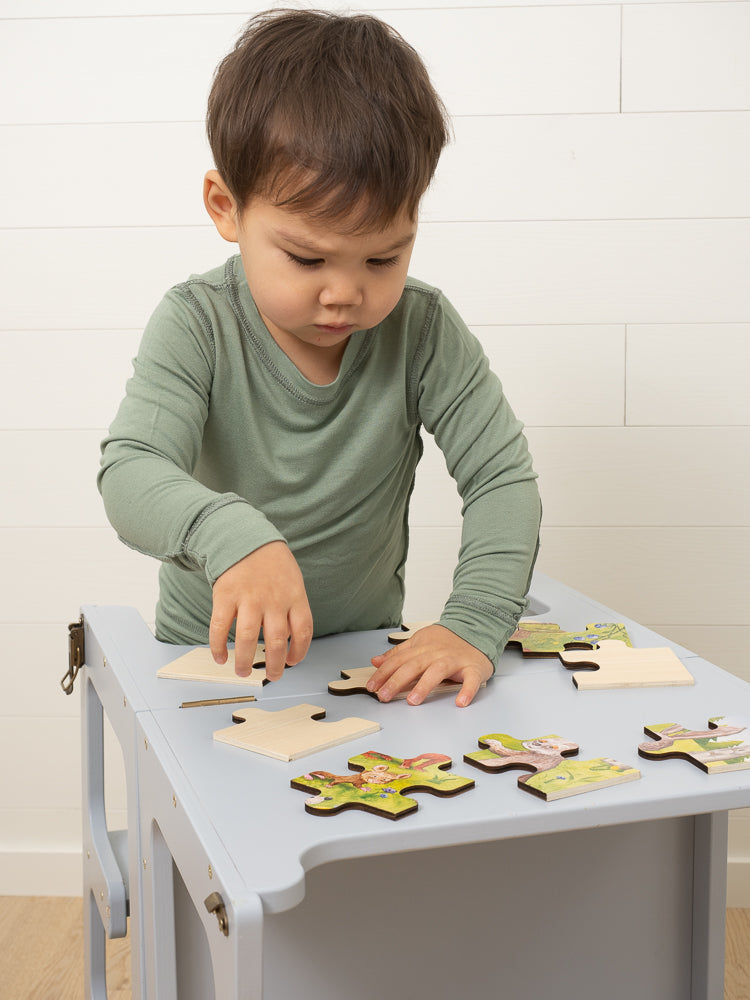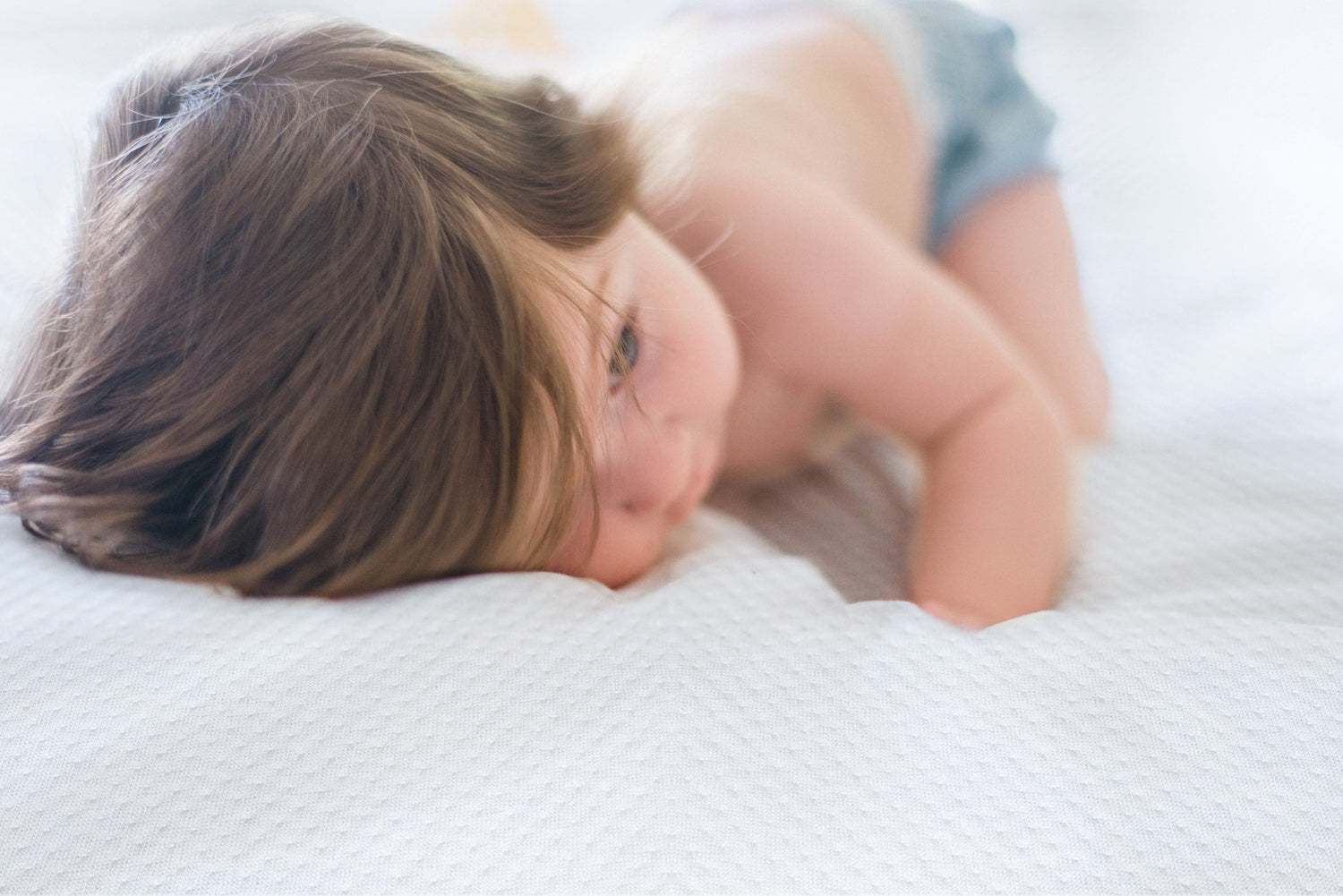

If you're raising a child with eczema in Sweden, Norway, or Denmark, you've probably read a lot of generic advice that doesn't quite account for your situation. The advice to "keep the room cool" doesn't address -15°C winters and radiators running at full capacity for six months. The guidance on humidity doesn't mention that indoor heating routinely drops it to 20%.
This guide is written for Nordic families specifically, including the climate realities, the seasonal routines that work here, and the advantages you have that parents in other countries don't.

Why Eczema Is More Common in Scandinavia
The data is clear: eczema prevalence in Scandinavian children is 15–20%, higher than the global average of roughly 10–15% for children. Multiple factors contribute:
- Climate: Cold, dry winters combined with months of indoor heating create the conditions eczema-prone skin struggles with most, low humidity, temperature swings when moving between indoors and outdoors, prolonged skin exposure to dry air.
- Genetic predisposition: Atopic conditions, eczema, hay fever, asthma, cluster genetically and run in higher rates in Northern European populations.
- Hygiene hypothesis: Reduced early childhood exposure to diverse microorganisms correlates with higher rates of atopic conditions. Nordic countries' high hygiene standards and urbanisation are relevant here.
None of this is the parent's fault. It's biology and environment. Understanding the "why" helps focus the response on what can actually be changed.
The Nordic Climate Challenge
The central eczema management challenge in Scandinavia is winter: six to eight months of indoor heating that strips moisture from the air.
A well-sealed Nordic home in January typically has indoor relative humidity of 20–30%. Healthy skin functions best at 40–50%. Eczema-prone skin functions even worse below that threshold, skin barrier integrity declines, moisture evaporates faster, and the itch-scratch cycle activates more easily.
What this means practically:
A humidifier in your child's bedroom is not optional in a Scandinavian winter. Target 40–50% relative humidity, measured with a hygrometer.
Also: apply a barrier moisturiser before going outside, cover as much skin as possible (scarves, gloves, hats), and re-moisturise when you come back in. The repeated temperature swing between a 22°C home and -10°C outdoors stresses the skin barrier multiple times per day.
Your Nordic Healthcare Advantage
Scandinavian families have something many eczema parents elsewhere don't: accessible, high-quality healthcare.
- Dermatologist access via public health systems (though referral wait times vary)
- Paediatric eczema care recognised as a medical priority
- School accommodation processes for children with chronic conditions
- Evidence-based information available in local languages
How to use this advantage:
- Establish a dermatologist relationship early, an annual check-in is valuable even when eczema is managed, because patterns change seasonally and as the child ages
- Request a school care plan, most Nordic schools will accommodate requests for a moisturiser in the classroom, cooler room conditions, and modified activity participation during flares
-
Connect with local support organisations:
- Sweden: Astma- och allergiförbundet
- Denmark: Allergiforeningen
- Norway: Norsk allergiforbund
Seasonal Routines for Nordic Living
Autumn (August–October): The Transition
Schools reopen, stress rises, temperatures start dropping. This is often when parents first notice an increase in flares.
- Start running the humidifier before the central heating kicks in
- Increase moisturising frequency, move from twice to three times daily
- Watch for back-to-school stress as a trigger (emotional stress lowers itch threshold)
Winter (November–March): Peak Season
The hardest months. Heating is on, humidity is low, cold air outside, warm air inside.
- Humidifier running continuously; check levels daily
- Moisturise every 2–3 hours for children who are flare-prone
- Keep the bedroom slightly cooler than the rest of the home, 18–20°C rather than 22°C
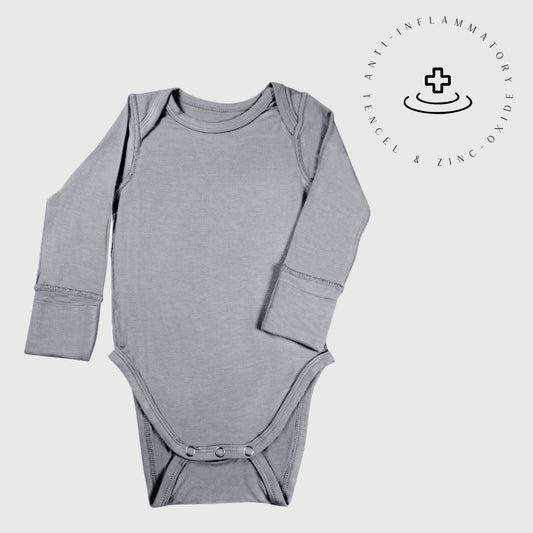
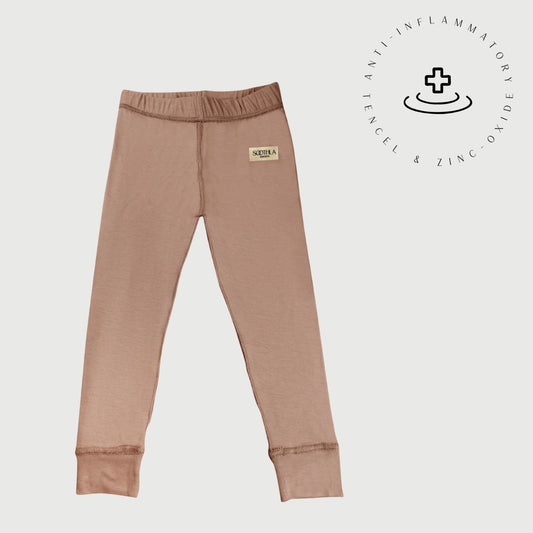
- Layer thoughtfully: soft TENCEL or organic cotton base layers, then breathable outerwear
- Ask your paediatrician about vitamin D supplementation, low sun exposure during Nordic winters affects immune function, and vitamin D deficiency is associated with more severe atopic eczema
Spring (April–May): Pollen Season
As humidity normalises and heating reduces, skin often improves. But pollen season introduces a new trigger for children with combined eczema and allergic rhinitis (common in atopic families).
- Monitor outdoor pollen levels on days your child will spend time outside
- Rinse hair and face on return from outdoors during high-pollen days
- Some children need antihistamine support during this period, consult your doctor
Summer (June–August): Maintenance Phase
Lower heating, higher natural humidity, more outdoor time. Many children with eczema have their best skin in summer.
- Sun protection matters: choose fragrance-free, mineral-based sunscreen formulations for sensitive skin
- Swimming: rinse with clean water immediately after a chlorinated pool and apply moisturiser before skin dries completely
- Don't stop moisturising even when skin looks good, it's easier to maintain than to recover
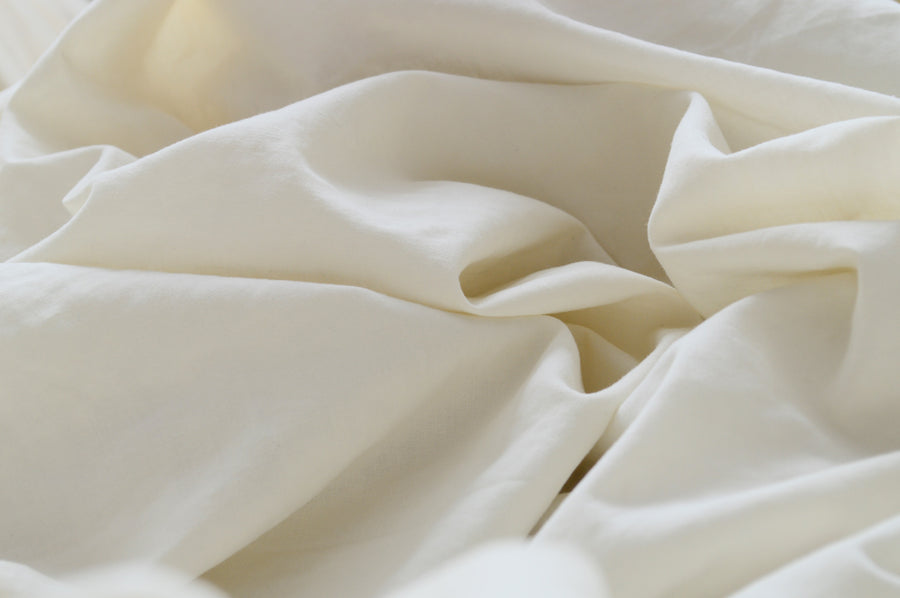
Why TENCEL Resonates in Scandinavia
Nordic culture has a particular alignment with what TENCEL offers:
- Sustainability credentials: TENCEL is produced in a closed-loop process that recovers 99% of solvents and uses less than 50% of the water that cotton production requires. Fully biodegradable. For parents in a culture where environmental consideration is embedded in everyday decisions, this matters.
- Quality and longevity: Nordic families tend to invest in quality and use items across multiple children. TENCEL maintains its properties through 100+ washes, the opposite of fast-fashion children's clothing that degrades in a season.
- European production: Soothla is designed in Sweden and crafted in Portugal. For Scandinavian parents who factor provenance into purchasing decisions, this is relevant.
"We are very happy with the leggings and top from Soothla. My son has now used the clothes for a few weeks and I think he scratches much less when he wears these. The clothes are also attractive, comfortable, and easy to wash."
"Incredible quality and such soft material. My son is usually bothered by labels and rough seams, but this seamless design makes the clothing very comfortable."
School Considerations in Nordic Countries
Nordic schools are generally more accommodating than schools in many other countries when it comes to chronic health conditions. Most will accept a formal request for:
- Keeping moisturiser in the classroom for midday application
- Slightly cooler classroom temperature during winter
- Modified participation in swimming during active flare periods
- A cool-down or itch-management break
Make the request formally in writing, citing your child's diagnosis. If the informal request is declined, most Nordic schools have formal accommodation processes through the school health coordinator.
FAQ: Scandinavian-Specific Eczema Questions
Is a humidifier really necessary in a Nordic home?
Yes, especially between October and March. Central heating routinely drops indoor humidity to 20–30%. A humidifier targeting 40–50% is one of the most direct interventions available for children with eczema.
Should my child participate in swimming at school?
Most can, with modifications. Rinse immediately after, apply moisturiser before skin dries, and monitor for post-swim flares. If flares are consistent, ask the school for alternatives during active flare periods.
Are Nordic organic cotton brands good enough, or should I choose TENCEL?
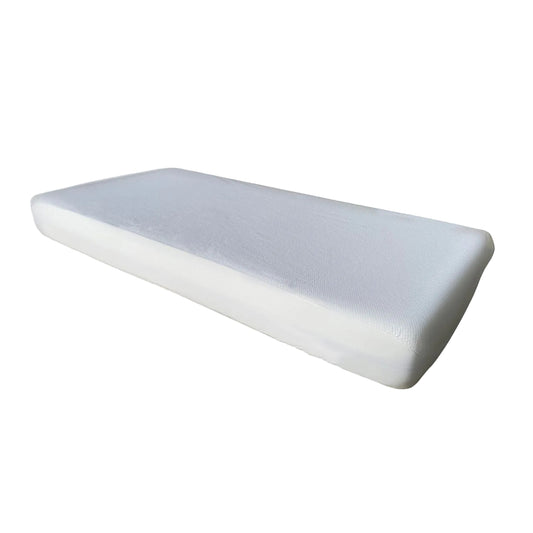
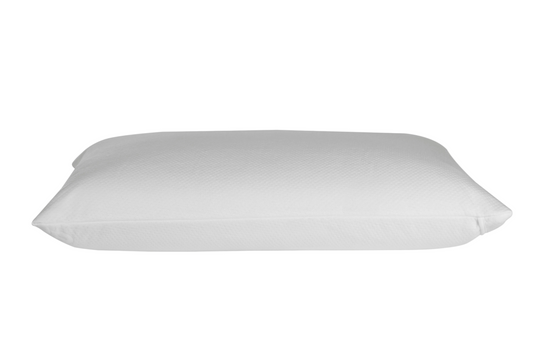
Certified Nordic organic cotton is a solid choice and significantly better than conventional cotton. TENCEL's moisture-wicking properties give it an edge for nighttime eczema management, worth considering for sleepwear and bedding specifically.
Winter SAD and eczema, are they connected?
Stress worsens eczema, this is well established. Seasonal Affective Disorder in parents, while not directly affecting a child's skin, affects household stress levels and the parent's capacity to maintain routines. Your own wellbeing matters for your child's care.
My child's school won't keep a moisturiser in the classroom. What can I do?
Request formally in writing, citing the diagnosis. Most Nordic schools have formal accommodation processes for chronic health conditions. Escalate to the school's health coordinator if the informal request is declined.
Soothla: A Swedish Brand Built for Nordic Families
Soothla was founded in Sweden, by a parent of a child with severe eczema. Our products are designed for children like yours, for the Nordic climate, for sustainable families, and for parents who have already tried many things that didn't work.
The site is available in Swedish, Dutch, and English. All purchases come with a 30-day satisfaction guarantee.
Shop Clothing Shop Bedding Our Story
This article is written in English and optimised for English-language searches in Nordic markets. A Swedish-language version targeting "eksem barn Sverige" and "atopisk dermatit barn" should be produced separately, native speaker review recommended before publishing.
This article is for informational purposes only and does not constitute medical advice. Consult a dermatologist for advice specific to your child.