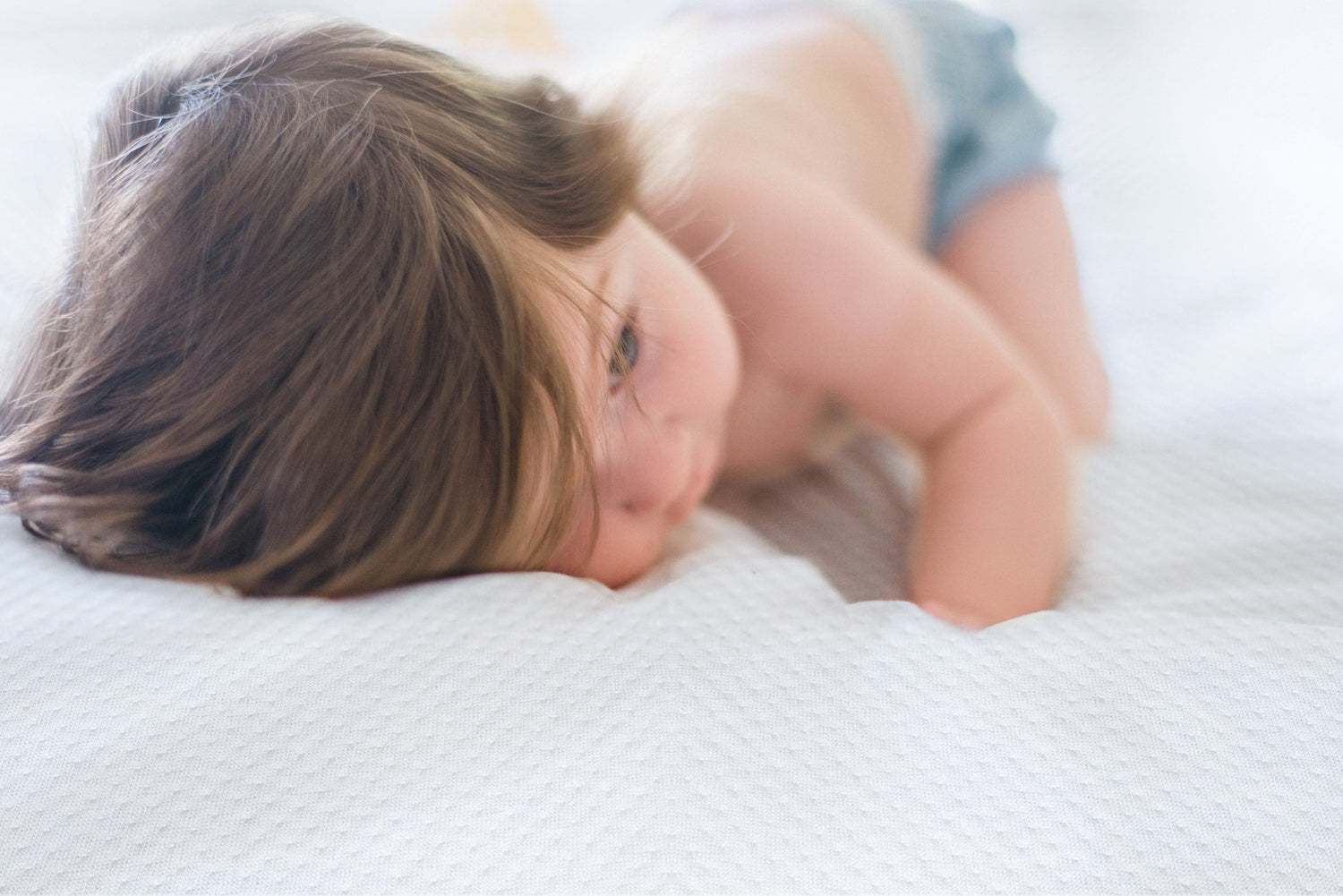

It's 2am. You can hear your child scratching through the monitor. You go in, calm them down, re-apply cream. By 3am it's started again. You know this night.
Nighttime eczema is one of the most exhausting parts of parenting a child with sensitive skin, not because it's dramatic, but because it's relentless. And the sleep deprivation compounds everything: the child's skin gets worse, their mood deteriorates, and yours does too.
The good news is that nighttime eczema flare-ups are not random. They happen for specific, well-understood reasons, and most of those reasons can be addressed with practical changes to the bedroom environment. None of this will cure eczema. But consistent, targeted changes can meaningfully reduce the frequency and intensity of nighttime flares. Here's what works.

Why Does Eczema Get Worse at Night?
Several things happen to the body at night that make eczema more active:
- Body temperature drops. As core temperature falls during sleep, skin loses moisture more quickly, tightening and drying out.
- Cortisol is lower. This natural anti-inflammatory hormone peaks in the morning and is lowest overnight, meaning the skin's defences are reduced.
- Sweat accumulates. Warm bedding combined with natural body heat creates moisture that sits against already-irritated skin.
- There's nothing else to focus on. When a child is still and quiet in the dark, the sensation of itching becomes the only thing there is.
- The scratch cycle begins: itch → scratch → skin damage → more itch.
Understanding these mechanisms makes the solutions clearer. The goal is to address each one: keep the skin cooler, reduce moisture build-up, remove external irritants, and make the physical environment as gentle as possible.
The 7 Bedroom Changes That Make a Real Difference
Change 1: Lower the Room Temperature
Target: 18–20°C (65–68°F)
This is the single highest-impact change most families can make. A cooler bedroom means less sweating, which means fewer flares. The skin barrier also functions better at cooler temperatures.
Start cooling the room 30–60 minutes before bed. If you don't have air conditioning, a fan directed away from the child (for air circulation, not direct airflow on skin) can help. A simple room thermometer tells you where you're starting from. Cost: free to minimal.
Change 2: Control Humidity (Target: 40–50%)
Too dry: skin loses moisture faster and cracks more easily. Too humid: sweat accumulates and dust mites thrive. The target is 40–50% relative humidity.
In Scandinavian and Northern European winters, central heating routinely drops indoor humidity to 20–30%, well below what eczema-prone skin needs. A humidifier in the child's bedroom is a meaningful intervention in these conditions. Pair it with a cheap hygrometer to monitor levels accurately.
Change 3: Invest in Gentle, Breathable Bedding
Of all the changes on this list, bedding has the most direct and sustained contact with skin, 10–12 hours every night.
Fabric: TENCEL lyocell or organic cotton. Not polyester, not synthetic blends. Breathable, moisture-wicking fabric pulls sweat away from skin rather than trapping it. TENCEL is up to 70% more moisture-absorbent than cotton. For a child who sweats during sleep, this difference is felt on the skin all night.
Washing: Every 1–2 weeks, fragrance-free hypoallergenic detergent, 60°C to kill dust mites. No fabric softener.
"He's back to sleeping 12 hours through the night with minimal itching and sleeping 2.5–3hr at nap time again too. He's been yawning much less when he's awake. When these are being washed and he's back in cotton pyjamas, he itches a lot more. This material really does seem to help."
See our full bedding guide for more detail on what to look for.
Change 4: Conduct an Allergen Audit of the Bedroom
Common bedroom triggers that parents overlook:
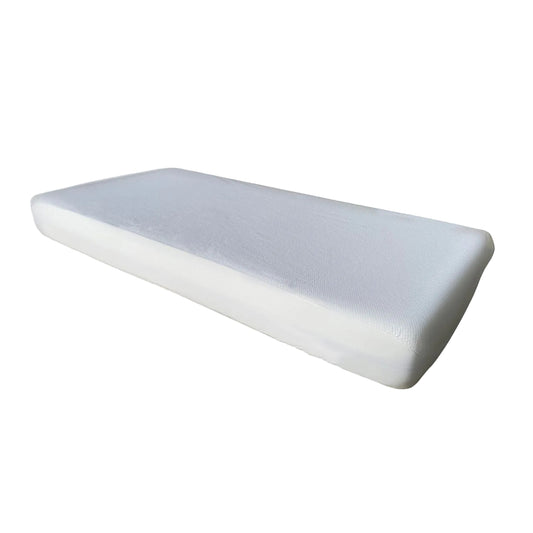
- Dust mites, live in mattresses, duvets, and pillows. Vacuum the mattress weekly, wash bedding at 60°C, use a hypoallergenic mattress protector.
- Pets, dander and fur are significant eczema triggers. Keep pets out of the child's bedroom entirely.
- Mould, check for dampness, especially in corners and around windows. A dehumidifier helps in damp rooms.
- Fragranced products, air fresheners, scented candles, heavily fragranced laundry detergent. All can irritate sensitive skin and airways.
- Stuffed animals, excellent dust mite habitats. Minimise them, or machine wash weekly.
- Wool and rough-textured blankets, even decorative, they can cause contact irritation. Replace with soft, smooth alternatives.
Change 5: Anti-Scratch Measures (Passive Protection)
Children scratch unconsciously during sleep, often without ever fully waking. The goal isn't to prevent all scratching but to reduce skin damage when it happens.
- Keep fingernails very short and smooth, file edges, not just trim
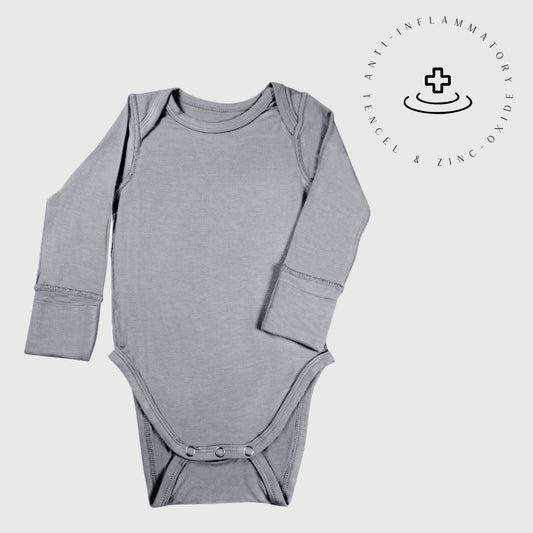
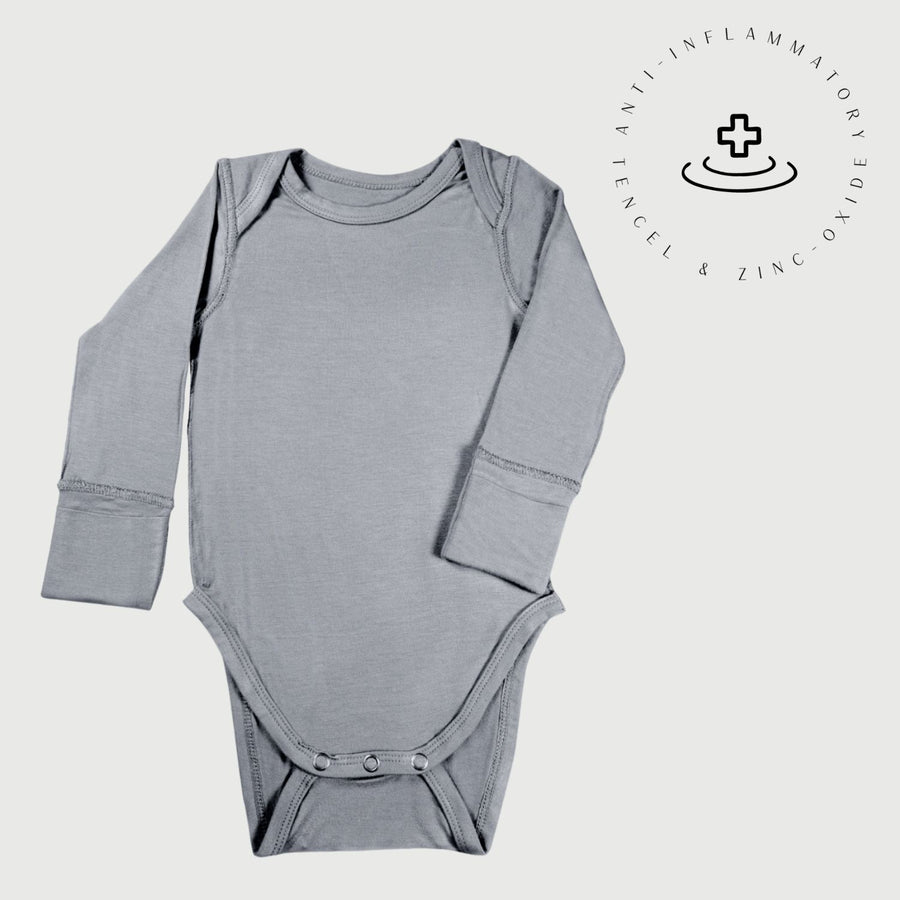
- Fold-over mittens built into pyjamas, much more practical than separate scratch mittens, which come off during sleep
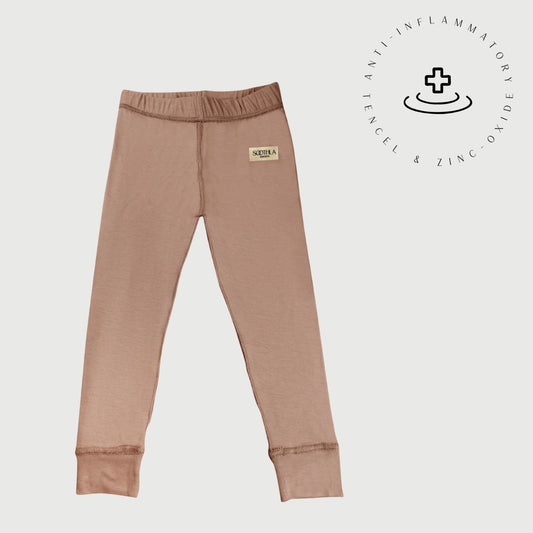
- Seamless pyjamas, rough seams become scratch sites. Flat or external seams remove this trigger
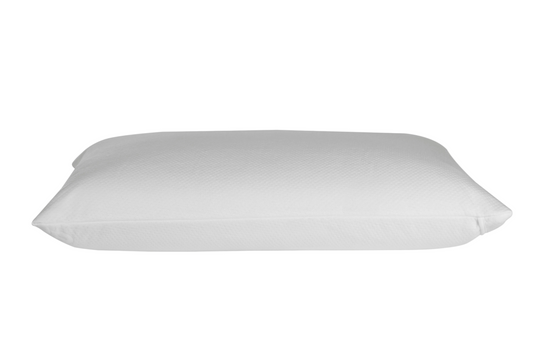
- Soft pillowcase, reduces friction during tossing and turning
"The anti-scratch mittens have made such a difference as now he cannot scratch open his already delicate skin. Am super happy!"
Change 6: The Evening Wind-Down Routine
What happens in the hour before bed significantly affects what happens during it.
- 1 hour before bed: Lukewarm bath, not hot. Hot water strips the skin's natural oils.
- Immediately after bath: Pat dry (don't rub), then apply thick emollient while the skin is still slightly damp. This is the most effective moment, the moisturiser locks in the moisture the skin just absorbed.
- 30 minutes before bed: Cool, soft, breathable pyjamas on. Room already cooling.
- Final 15 minutes: Low light, calm environment. No screens, blue light can lower the itch threshold. Keep it boring. Boring is good.
Change 7: Gentle Nighttime Monitoring
When scratching does happen, how you respond matters.
- Don't scold, the child is usually not fully conscious. Shame or stress makes things worse.
- Gently redirect, hold the hand, offer a brief soothing touch to interrupt the cycle without waking the child fully.
- Cool compress if needed, a cool (not cold, never ice) damp cloth can calm an active flare. Keep one ready.
- Track patterns, does scratching worsen on specific nights? After certain foods? In certain weather? A simple log helps you and your dermatologist identify triggers.
The Bedroom Setup Checklist
Before your child goes to sleep tonight:
- Room temperature: 18–20°C ✓
- Humidity: 40–50% ✓
- Bedding: breathable, washed recently, no fabric softener ✓
- Bedroom: dusted, no pets, no fragranced products ✓
- Pyjamas: seamless, soft, fold-over mittens if needed ✓
- Child's nails: short and smooth ✓
- Evening routine: lukewarm bath → moisturise → calm environment ✓
When This Isn't Enough: Call a Dermatologist
These changes address environmental triggers. They don't address underlying inflammation, infection, or triggers that require medical management. Get medical advice if:
- Flares continue despite consistent environmental changes
- The rash is spreading or looks infected (weeping, yellow crust, increasing redness)
- Your child is scratching so severely that skin is breaking regularly
- Sleep deprivation is affecting the whole family's functioning
- New symptoms appear: hives, swelling, fever
FAQ: Nighttime Eczema
Can I use a weighted blanket?
Consult your paediatrician first. Some children sleep more calmly with gentle pressure; others overheat, and weight + eczema + overheating is a bad combination.
Should I wake my child if they're scratching?
Gently redirect without fully waking if you can. Disrupted sleep is its own problem for the child's skin and overall wellbeing.
How long until we see improvement?
Two to three weeks of consistent changes is a realistic timeline. Some families see a difference within days; for others it's more gradual.
Is night scratching normal with eczema?
It's common, but not inevitable. Consistent environmental changes make a meaningful difference for most families.
Create Your Child's Ideal Sleep Environment
Soothla makes seamless, zinc-infused TENCEL sleepwear and bedding for babies and children with sensitive and eczema-prone skin, breathable, soft, with fold-over cuff mittens built in. Designed in Sweden. Doctor recommended.
30-day satisfaction guarantee on all orders.
This article is for informational purposes only and does not constitute medical advice.