
Als uw kind eczeem heeft, heeft u waarschijnlijk al van alles geprobeerd: nieuwe crèmes, een ander dieet, een andere badroutine. Maar er is iets wat veel ouders over het hoofd zien totdat het probleem niet meer te negeren is: het beddengoed.
Kinderen brengen tot 12 uur per dag in bed door. Dat zijn 12 uur van contact tussen gevoelige, eczeemgevoelige huid en de stof die hen omhult. Het verkeerde beddengoed kan nachtelijk krabben uitlokken, de slaap verstoren en alles tenietdoen wat u zorgvuldig tijdens het bad hebt aangebracht. Het juiste beddengoed geneest eczeem niet, maar het kan de nachten aanzienlijk rustiger maken en ochtenden iets gemakkelijker te verdragen.
Deze gids behandelt alles wat u moet weten over het kiezen van beddengoed voor kinderen met eczeem: waarop u moet letten, welke materialen werken, wat u moet vermijden en hoe u een slaapkamer inricht die uw kind de beste kans geeft op een comfortabele nacht.

Waarom Beddengoed Belangrijk is voor Eczeemgevoelige Huid
Eczeem verergert 's nachts om verschillende goed gedocumenteerde redenen. De lichaamstemperatuur daalt, waardoor de huid sneller vocht verliest. Cortisol, het natuurlijke ontstekingsremmende hormoon van het lichaam, is 's nachts lager, wat betekent dat de huid minder beschermd is. En wanneer een kind stil en rustig ligt zonder afleidingen, wordt de jeuksensatie de enige focus.
Voeg daar beddengoed aan toe dat warmte vasthoudt, vocht tegen de huid houdt of irriteert door een ruwe textuur, en u heeft de omstandigheden voor een zeer slechte nacht.
Het goede nieuws: beddengoed kunt u veranderen. En in tegenstelling tot receptzalven of eliminatiediëten is het een eenvoudige ingreep zonder bijwerkingen.
Soothla werd precies opgericht vanwege deze realiteit. De zoon van onze oprichtster had ernstig eczeem en slapeloze nachten, voor zowel kind als ouder, waren gewoon deel van het leven totdat de juiste combinatie van stof en ontwerp een wezenlijk verschil maakte. Die ervaring is de reden waarom elk Soothla-product wordt gemaakt zoals het is.
Waarop u moet Letten bij Eczeemvriendelijk Beddengoed: 5 Belangrijke Kenmerken
1. Zachte, Ademende Stof (Natuurlijke Vezels)
De enkelvoudig belangrijkste factor. Stof die niet ademt, houdt warmte en vocht tegen de huid vast en creëert precies de warme, vochtige omgeving die krabben uitlokt.
Natuurlijke vezels zoals TENCEL lyocell, biologisch katoen en linnen laten lucht circuleren en transporteren vocht van de huid weg. TENCEL is bijzonder effectief: het absorbeert tot 70% meer vocht dan katoen, wat betekent dat zweet niet op de huid blijft zitten maar door de vezel wordt afgevoerd.
Wat u moet vermijden: polyester, synthetische mengsels, microvezel. Deze houden warmte vast, ademen niet en bieden geen enkel voordeel voor gevoelige huid.
2. Hypoallergeen en Huisstofmijt-Resistent
Huisstofmijten zijn een van de meest voorkomende eczeem-triggers bij kinderen. Ze leven in beddengoed, voeden zich met dode huidcellen en gedijen in warme, vochtige omgevingen, wat precies is wat een kinderbed vaak is.
Hypoallergeen beddengoed vermindert de omgeving waarin huisstofmijten kunnen overleven. Zoek naar:
- Dicht weefsel, minder ruimte voor mijten om zich te vestigen
- Wasbaarheid op 60°C, de temperatuur waarbij huisstofmijten worden gedood
- OEKO-TEX Standard 100, Klasse 1 certificering, de hoogste veiligheidsklasse, specifiek voor artikelen die in contact komen met de huid van baby's
3. Naadloze of Platte Naadconstructie
Kinderen draaien en woelen tijdens het slapen, en elke keer dat ze zich omdraaien, drukken ruwe naden in de huid. Voor een kind met eczeem is die wrijving een trigger. Controleer de zoom, okselnaden en randzomen. Platte of uitwendige naden, waarbij de naad aan de buitenkant van de stof zit in plaats van tegen de huid, maken een wezenlijk verschil voor kinderen met een gevoelige huid.
4. Gemakkelijk te Wassen en Duurzaam
Ouders van kinderen met eczeem wassen beddengoed vaker dan de meeste mensen, idealiter elke één à twee weken. Dat zijn 50 tot 100 wasbeurten per jaar. Beddengoed dat achteruitgaat, pilt of zijn zachtheid verliest na 20 wasbeurten is niet geschikt.
Let op: wasmachinegeschikt op 60°C, compatibel met hypoallergene wasmiddelen, en vezelbehoud na herhaaldelijk wassen. TENCEL behoudt zijn eigenschappen door 100+ wasbeurten; biologisch katoen doorgaans 50 tot 100.
5. Temperatuurregulering
Oververhitting is een primaire eczeem-trigger. Beddengoed dat warmte vasthoudt, dikke dekbedden, zware polyestervullingen, synthetische hoezen, verhoogt de lichaamstemperatuur tijdens het slapen en veroorzaakt zweten, wat de al gevoelige huid irriteert. Ademende, vochtafvoerende materialen zoals TENCEL reguleren zichzelf, passen zich aan de lichaamstemperatuur aan en voeren overtollig vocht af voordat het een probleem wordt.
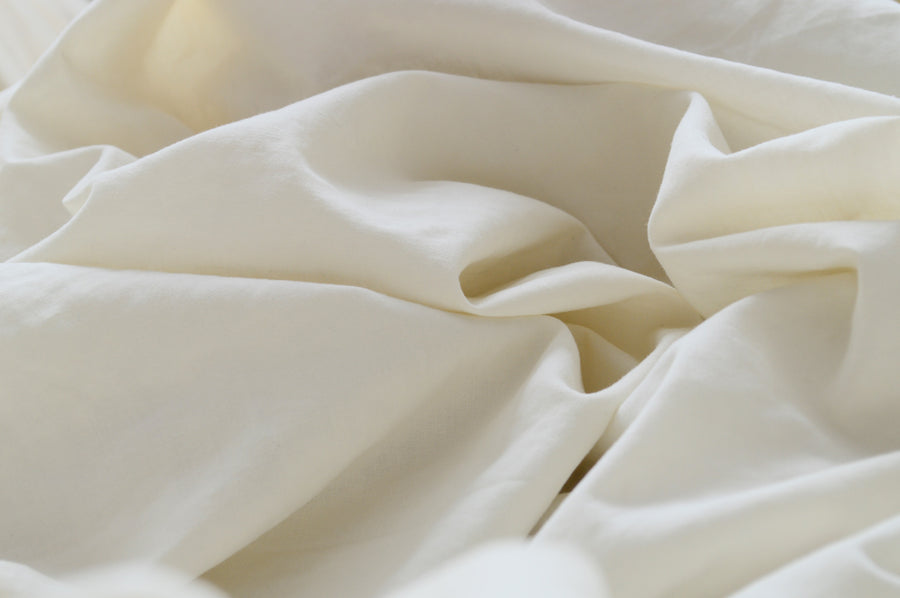
Materiaalvergelijking: Welke Stoffen zijn het Beste voor Eczeem?
TENCEL Lyocell: De Beste Keuze
Gemaakt van duurzaam gewonnen eucalyptushoutpulp in een gesloten productieproces dat 99% van de gebruikte oplosmiddelen terugwint. Tot 70% vochtabsorberender dan katoen, hypoallergeen, zijdezacht en duurzaam door 100+ wasbeurten. De gouden standaard voor eczeemgevoelige huid.
Soothla's voordeel: Ons beddengoed gebruikt TENCEL verrijkt met zink (Smartcel Sensitive-technologie), wat antibacteriële eigenschappen toevoegt aan TENCEL's al sterke basislijn. Lees hoe zinkstof werkt →
Biologisch Katoen: Sterke Tweede Keuze
Ademend, zacht, betaalbaar en breed beschikbaar. Zoek naar GOTS-certificering (Global Organic Textile Standard). Minder vochtafvoerend dan TENCEL en lagere duurzaamheid (50 tot 100 wasbeurten), maar een echt goede keuze voor mild tot matig eczeem wanneer budget de primaire beperking is.
Bamboe Viscose: Gebruik met Voorzichtigheid
Zachter dan standaard katoen en meer vochtafvoerend, maar het viscoseproductieproces gebruikt hardere chemicaliën dan het gesloten TENCEL-proces. Kwaliteit varieert aanzienlijk. Kies alleen gecertificeerde opties; verwacht lagere duurzaamheid (30 tot 50 wasbeurten).
Polyester en Synthetische Materialen: Vermijden
Houdt warmte en vocht vast, bevat bacteriën, wekt statische elektriciteit op. Niet geschikt voor kinderen met eczeemgevoelige huid.
De Slaapopstelling: Meer dan Alleen Lakens
Beddengoed is de basis, maar de volledige slaapomgeving is ook belangrijk.
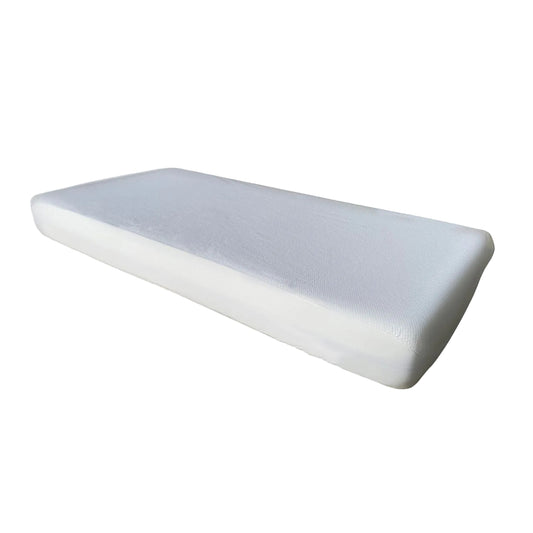
- Matrasbeschermer: Een hypoallergene, waterdichte beschermer vormt een barrière tussen uw kind en de matras, die in de loop van de tijd huisstofmijten ophoopt. Was maandelijks.
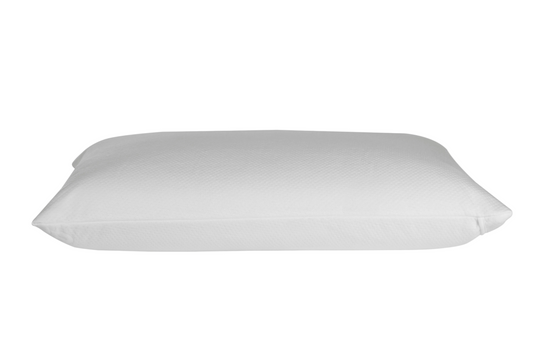
- Kussensloop: Dezelfde regels gelden als voor lakens. Het gezicht en de nek brengen de hele nacht in contact ermee door.
- Dekbed: Zoek naar ademende, wasbare vullingen. Licht is beter dan zwaar. Een vulling die op 60°C wasbaar is, is een wezenlijk voordeel.
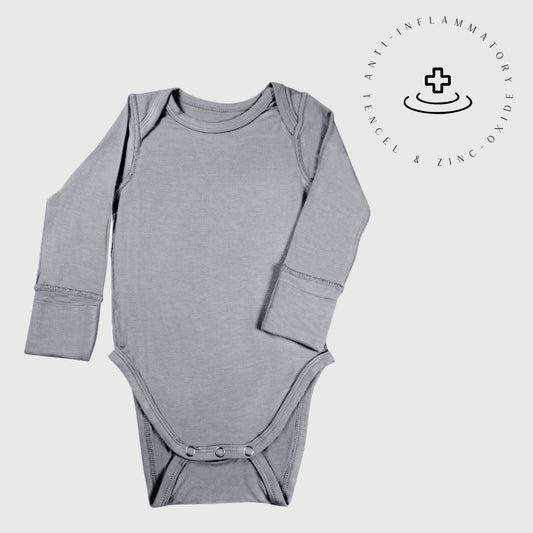
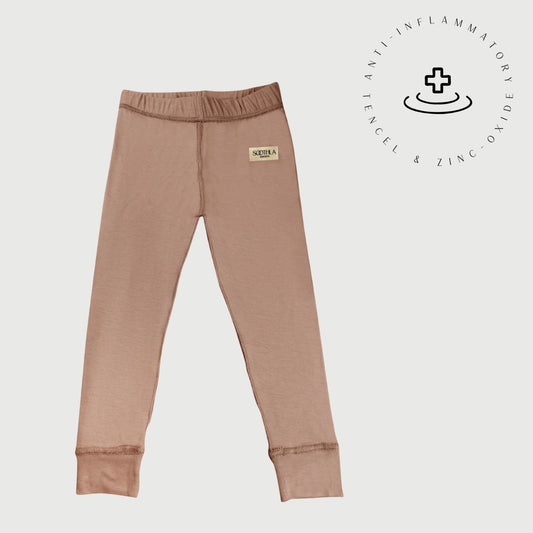
- Pyjama: De kleding waarin uw kind slaapt is even belangrijk als het beddengoed waarop hij of zij slaapt. Naadloos ontwerp, ademende stof, omslagmofjes: dezelfde principes gelden. Ontdek Soothla's nachtkleding →
- Kamertemperatuur: 18 tot 20°C is de wetenschappelijk onderbouwde doeltemperatuur. Koelere kamers betekenen minder zweten en minder opstoten.
- Luchtvochtigheid: 40 tot 50% relatieve luchtvochtigheid is ideaal. Een eenvoudige hygrometer (minder dan €15) neemt het giswerk weg.

Hoe over te Stappen op Nieuw Beddengoed
Als uw kind ernstig eczeem heeft, introduceer niet alles tegelijk.
- Ga stap voor stap. Begin met de kussensloop, die het nauwste contact heeft met het gezicht. Wacht een week, observeer en introduceer dan nieuwe lakens.
- Let op de eerste drie nachten. Huidreacties, als ze optreden, verschijnen meestal binnen de eerste paar dagen van contact met een nieuw materiaal.
- Houd een eenvoudig logboek bij. Noteer de slaapkwaliteit en zichtbaar krabben. Zelfs een ruwe score (1 tot 5) elke ochtend vertelt u veel over twee weken.
- Betrek oudere kinderen. Laat ze de kleur of het patroon kiezen. Een kind dat zich eigenaar voelt van zijn beddengoed, gaat er doorgaans gemakkelijker in liggen.
Wat Ouders Zeggen
"Het zachtste materiaal, echt fijn om op te slapen, en het voelt goed om te weten dat mijn kinderen slapen op materiaal dat beter is voor hun gezondheid."
"Zeer zacht materiaal en fijn om op te slapen."
Veelgestelde Vragen: Beddengoedvragen voor Eczeem-Ouders
Hoe vaak moet ik het beddengoed van mijn kind met eczeem wassen?
Elke één à twee weken, met een geurvrij, hypoallergeen wasmiddel op 60°C. Vaker tijdens opstoten. Gebruik geen wasverzachter.
Is duur beddengoed het waard?
Dat hangt af van het materiaal, niet van de prijs. Een goed gekozen TENCEL-laken met hogere aanschafkosten kan drie sets goedkoper katoen overtreffen in levensduur. Over drie jaar is TENCEL vaak goedkoper per wasbeurt, en het presteert gedurende die hele periode beter.
Mijn kind is allergisch voor huisstofmijten. Welk beddengoed helpt het meest?
Geef prioriteit aan wasbaarheid op 60°C, dicht weefsel en OEKO-TEX 100 Klasse 1-certificering. Combineer dit met een hypoallergene matrasbeschermer en was die maandelijks.
Kan ik gewoon regelmatig beddengoed gebruiken als ik het vaker was?
Wasfrequentie helpt bij huisstofmijten, maar verandert niets aan de ademendheid of zachtheid van de stof. Een kind dat slaapt op polyester dat dagelijks wordt gewassen, heeft nog steeds een niet-ademend oppervlak de hele nacht tegen zijn huid.
Wat als mijn kind allergisch is voor TENCEL?
Echte TENCEL-allergieën zijn zeldzaam: de vezel bevat geen chemische residuen die doorgaans reacties uitlokken. Als irritatie optreedt, is gecertificeerd biologisch katoen een sterk alternatief. Raadpleeg uw dermatoloog om de werkelijke trigger te identificeren voordat u overstapt.
Uw Beddengoedchecklist
Controleer voor aankoop:
- Natuurlijke, ademende vezel (TENCEL of gecertificeerd biologisch katoen)
- OEKO-TEX Standard 100, Klasse 1 certificering
- Platte of uitwendige naden
- Wasbaar op 60°C in de wasmachine
- Hypoallergeen, geen synthetische kleurstoffen, geen harde chemische behandeling
- Vochtafvoerende eigenschappen
- Duurzaamheid door 50+ wasbeurten
Aanbevolen door Artsen
"De producten van Soothla zijn ontwikkeld op basis van onderzoek; daarom voelen wij ons er zeker van deze aan te bevelen aan onze patiënten met een extreem gevoelige huid en eczeem."
Klaar om het Beddengoed van uw Kind te Verbeteren?
Het beddengoed van Soothla is gemaakt van TENCEL lyocell verrijkt met zink, gecertificeerd OEKO-TEX Standard 100 Klasse 1 en speciaal ontworpen voor kinderen met een gevoelige en eczeemgevoelige huid. Ontworpen in Zweden, vervaardigd in Portugal.
Alle aankopen worden geleverd met een 30 dagen tevredenheidsgarantie. Als het geen verschil maakt, kunt u het retourneren.
Bestel Hoeslakens Bestel Kussensloopjes
Dit artikel is uitsluitend bedoeld voor informatiedoeleinden en vormt geen medisch advies. Als het eczeem van uw kind ernstig is of verergert, raadpleeg dan een dermatoloog.