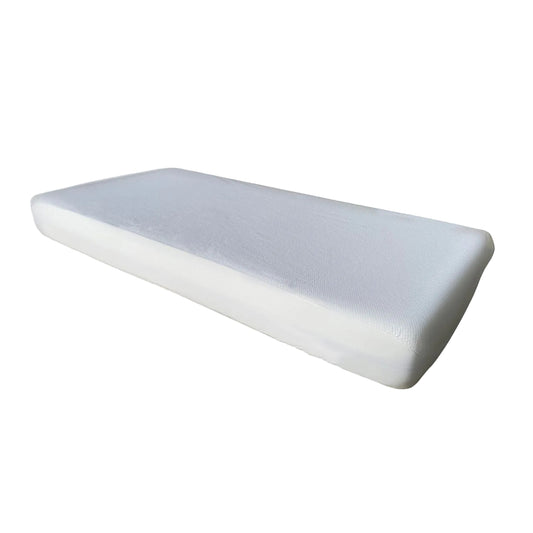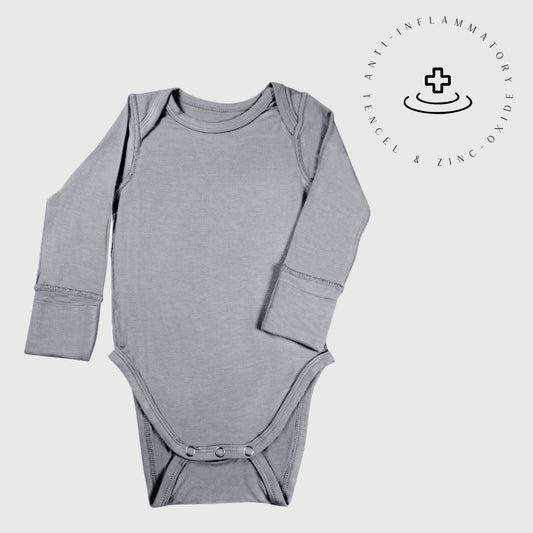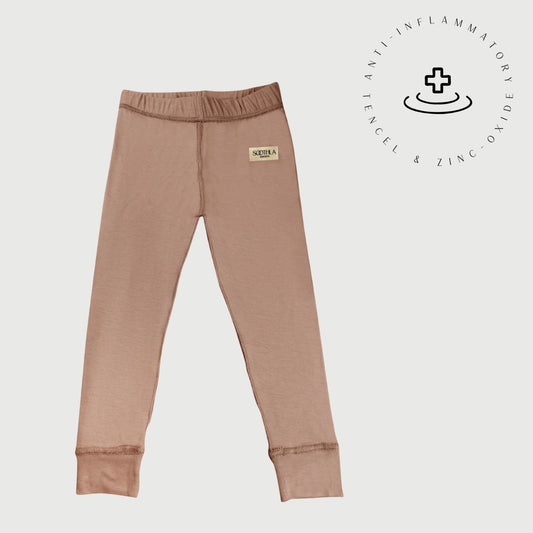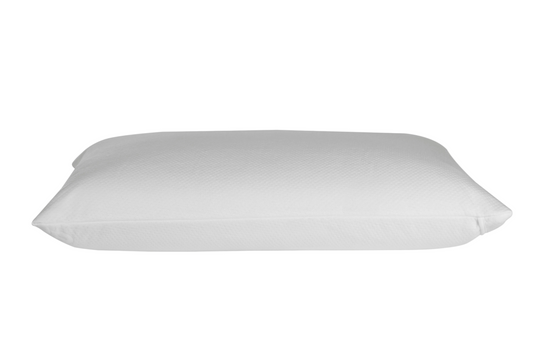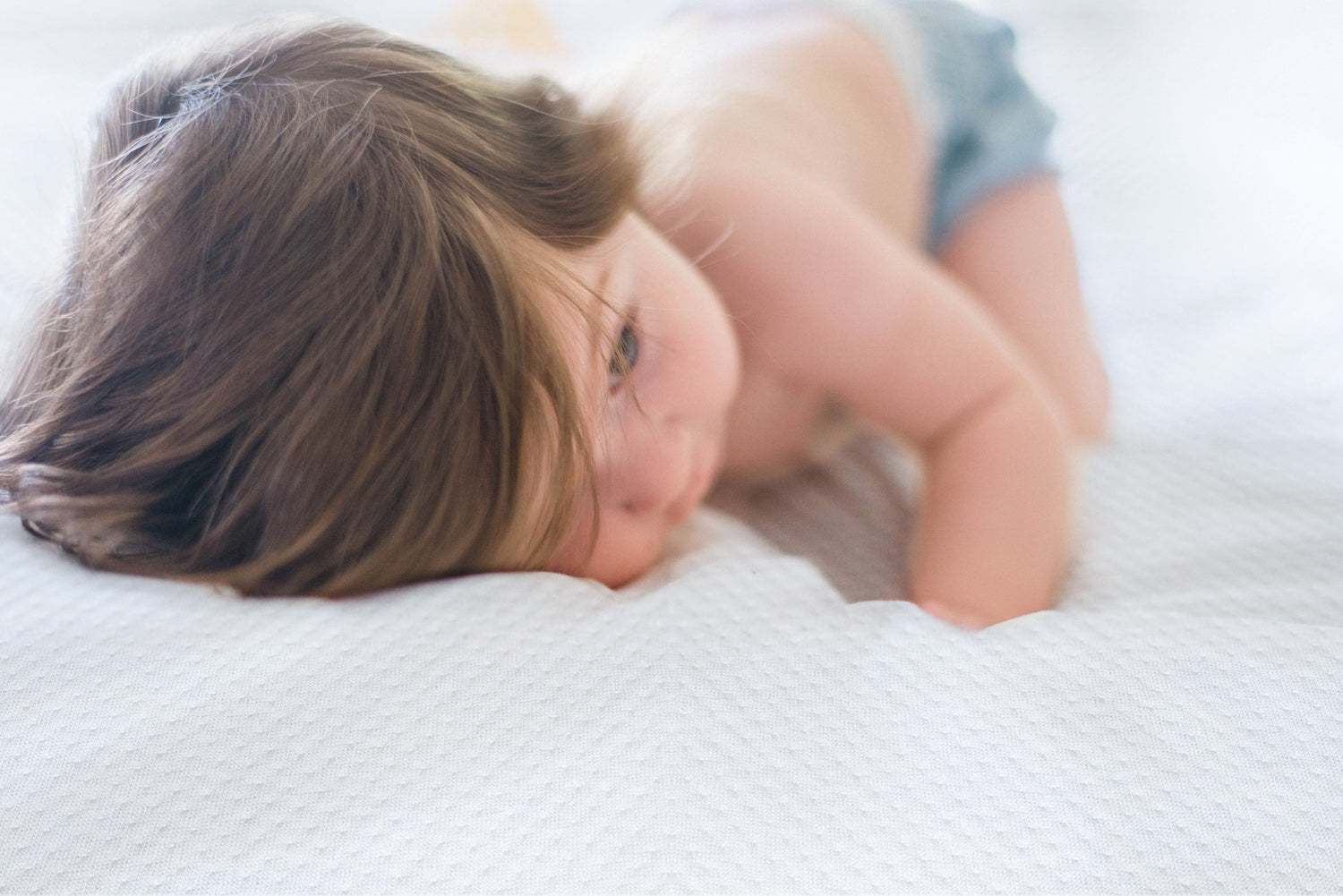

Als u begonnen bent met onderzoek naar eczeemvriendelijke kleding, bent u waarschijnlijk "zinkverrijkt stof" tegengekomen. Het klinkt aantrekkelijk: zink zit al in de helft van de huidverzorgingsproducten op de markt, maar het roept ook terechte vragen op. Hoe komt zink in stof terecht? Wat doet het eigenlijk? En is het veilig voor de huid van een baby?
Dit is een eerlijke uitleg van de wetenschap, inclusief wat het onderzoek aantoont en wat niet.
Wat is Zink, en Waarom Wordt het Gebruikt in Huidverzorging?
Zink wordt al duizenden jaren in de geneeskunde gebruikt. U vindt zinkoxide in luierzalf, zonnebrand en topicale eczeembehandelingen. Het is een van de meest bestudeerde mineralen in de dermatologie, met goed gedocumenteerde eigenschappen: het ondersteunt de huidbarrièrefunctie, heeft milde antibacteriële effecten en wordt verdragen door zelfs zeer gevoelige huid.
In topicale vorm, crèmes en zalven, werkt zink waar het wordt aangebracht en moet het regelmatig opnieuw worden aangebracht. Dit is effectief voor gericht, kortdurend gebruik. Maar voor iets wat een kind 10 tot 12 uur per nacht draagt, is een ander aflevermechanisme logischer.
Dat is waar zinkverrijkt stof om de hoek komt kijken.
Traditioneel Zink vs. Zinkverrijkt Stof: Wat is het Verschil?
Zinkcreme zit op de huid en spoelt af. Zinkverrijkt stof is permanent ingebed in de vezel zelf.
Door het gepatenteerde Smartcel Sensitive-proces wordt zinkoxide direct in TENCEL lyocell-vezels verwerkt tijdens de productiefase, niet achteraf als coating aangebracht. Dit betekent:
- Het zink is moleculair geïntegreerd in de vezel, niet op het oppervlak
- Het wast er niet uit: onafhankelijke tests bevestigen dat het zink actief blijft na 100+ wasbeurten
- Er zijn geen losse zinkdeeltjes die in bedenkelijke hoeveelheden op de huid kunnen worden overgedragen
Een coating die na productie wordt aangebracht, kan afschilferen, vervagen of afwassen. Ingebed zink is permanent.
De Wetenschap: Hoe Zinkverrijkt TENCEL Werkt
Stap 1: De TENCEL-basis
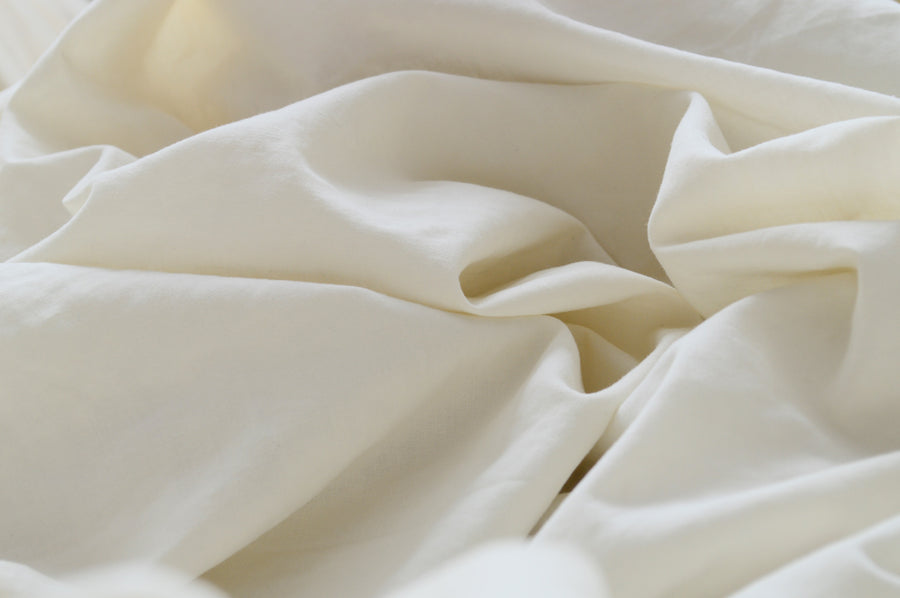
TENCEL lyocell is gemaakt van eucalyptushoutpulp, geproduceerd in een gesloten kringloopproces dat 99% van de gebruikte oplosmiddelen terugwint en hergebruikt. Daardoor heeft het de EU Milieuprijsgewonnen. De vezel zelf is van nature hypoallergeen (geen pesticidedresiduën, geen harde chemische verwerking), tot 70% vochtabsorberender dan katoen, temperatuurregulerend en volledig biologisch afbreekbaar. Voor gevoelige huid is dit al een sterke basislijn.

Stap 2: Het Zink-inbeddingsproces
Het Smartcel Sensitive-proces voegt zinkoxide toe aan de lyocellvezels tijdens de productie. Het zink wordt onderdeel van de moleculaire structuur van de vezel. Belangrijke feiten uit onafhankelijke tests:
- Zink blijft actief door 100+ wasbeurten
- Er worden geen schadelijke hoeveelheden zink overgedragen op de huid tijdens het dragen
- Gevalideerd onder EU-normen en OEKO-TEX Standard 100 Klasse 1, goedgekeurd voor contact met de huid van baby's
Stap 3: Het Beschermende Effect
Zodra de stof wordt gedragen, heeft het zink twee primaire effecten:
- Antibacterieel: Zink remt de groei van bacteriën op het stoföppervlak. Dit is belangrijk omdat Staphylococcus aureus, een veelvoorkomende huidbacterie, eczeemhuid koloniseert en sterk geassocieerd wordt met opstoten. Door de bacteriegroei op de stof te verminderen, vermindert zinkverrijkt TENCEL een mogelijke trigger.
- Stof blijft frisser: Minder bacteriën betekent minder geur en een schoner stoföppervlak tussen wasbeurten, een praktisch voordeel dat ook minder frequent wassen betekent, wat beter is voor de stof en het milieu.
Wat het Onderzoek Zegt
Wiegand et al., 2013 — "Huidbeschermende effecten van een zinkoxide-functioneel textiel"
Deze studie testte zinkverrijkt TENCEL-stof bij deelnemers met atopische dermatitis. Deelnemers droegen de stof drie of meer opeenvolgende nachten. De studie vond verbeteringen in ervaren jeuk en slaapkwaliteit.
Belangrijk: Dit is informatief bewijs over de eigenschappen van de stof, geen bewering dat de stof eczeem behandelt of geneest.
Wollina et al., 2019 — "Klinische ervaringen met antimicrobieel beddengoed met gebruik van Zinc-Smartcel-vezels"
Deze studie keek naar beddengoed gemaakt van zink-TENCEL voor mensen met uitgesproken atopische dermatitis. Bevindingen omvatten comfortverbetering, verminderde geur en sterke stofduurzaamheid.
Belangrijk: Resultaten variëren per individu. Dit is geen genezing en mag de zorg van een dermatoloog niet vervangen.
Wat Zinkstof Doet en Wat Niet
| ✓ Zinkverrijkt TENCEL DOET | ✗ Het DOET NIET |
|---|---|
| Een hypoallergeen, zacht huidoppervlak bieden | Eczeem genezen of behandelen |
| Bacteriegroei op de stof verminderen | Dermatologische zorg vervangen |
| Vocht van de huid afvoeren | Voor elk kind hetzelfde werken |
| Effectief blijven door 100+ wasbeurten | De noodzaak van een huidverzorgingsroutine elimineren |
| Comfortabelere nachten ondersteunen voor veel kinderen | Direct resultaat geven: voordelen bouwen op over 3+ nachten |
Wat Ouders Opmerken
"Met deze kleding krijgt ze elke dag geen opstoot en is er geen behoefte aan receptcrèmes meer. Heel erg bedankt! Ik zal deze blijven bestellen voor haar, helemaal vanuit de andere kant van de wereld."
"Hij slaapt weer 12 uur door de nacht met minimale jeuk en slaapt ook weer 2,5 tot 3 uur tijdens de middag. Als deze kleren worden gewassen en hij terug in katoenen pyjama's zit, krabt hij veel meer. Dit materiaal lijkt echt te helpen."
Waarom Zink + TENCEL Samen?
Zink zonder een ademende dragerstof zou minder effectief zijn. Vocht dat gevangen zit tegen de huid, zelfs huid in contact met zink, veroorzaakt nog steeds irritatie. De vochtafvoerende eigenschappen van TENCEL creëren de optimale omgeving voor het zink om te werken. De stof blijft droger, de huid blijft koeler en de antibacteriële eigenschappen van zink werken op een oppervlak dat niet al warm en vochtig is.
De combinatie is synergetisch: geen van beide elementen bereikt afzonderlijk wat ze samen bereiken.
Is Zinkstof Veilig voor Baby's en Kinderen?
Ja, met context.
Het zink in Smartcel Sensitive-stof is moleculair ingebed en wordt niet in schadelijke hoeveelheden overgedragen op de huid. Het wordt niet op zinvolle wijze via de huid opgenomen tijdens normaal gebruik. Belangrijke veiligheidsmarkeringen:
- OEKO-TEX Standard 100, Klasse 1 gecertificeerd: goedgekeurd voor direct contact met baby's
- EU-veiligheidsgetest
- Zinkallergieën zijn mogelijk maar zeldzaam; TENCEL-allergieën zijn nog zeldzamer
- Als irritatie optreedt bij welk nieuw stof dan ook, stop dan het gebruik en raadpleeg een dermatoloog

De Duurzaamheidshoek
Omdat zinkverrijkt TENCEL langer fris blijft, kunt u minder vaak wassen zonder in te boeten op hygiëne. Minder wasbeurten betekent minder water, minder wasmiddel, minder energie. Gecombineerd met het gesloten kringloopproductieproces van TENCEL (dat minder dan 50% van het water gebruikt dat katoen vereist) en de biologische afbreekbaarheid ervan, is de milieu-impact van de stof werkelijk lager dan de meeste alternatieven.
Veelgestelde Vragen: Zinkstofvragen
Absorbeert de huid van mijn kind zink uit de stof?
Nee. Het zink is ingebed in de vezels en wordt niet in schadelijke hoeveelheden overgedragen op de huid tijdens normaal gebruik.
Is dit hetzelfde als mijn kind een zinksupplement geven?
Nee. Topicaal stofcontact is volkomen anders dan orale inname: verschillende mechanismen met verschillende effecten.
Hoelang duurt het voordat we een verschil merken?
Onderzoek suggereert drie of meer opeenvolgende nachten dragen. Sommige ouders merken eerder een verschil; voor anderen duurt het langer. Individuele reactie varieert.
Werkt het voor alle soorten eczeem?
Het gepubliceerde onderzoek richt zich op atopische dermatitis. Andere typen kunnen anders reageren.
Kan ik zinkverrijkt beddengoed combineren met gewone pyjama's?
Ja. Direct huidcontact maximaliseert het voordeel, maar combineren is prima. Het beddengoed alleen biedt al een zinvol oppervlak voor het lichaam en gezicht van het kind 's nachts.
Aanbevolen door Artsen
"De producten van Soothla zijn ontwikkeld op basis van onderzoek; daarom voelen wij ons er zeker van deze aan te bevelen aan onze patiënten met een extreem gevoelige huid en eczeem."
Ontdek Soothla's Zinkverrijkte Producten
Al het beddengoed en de kleding van Soothla gebruikt TENCEL lyocell verrijkt met zink via het Smartcel Sensitive-proces. Ontworpen in Zweden, vervaardigd in Portugal. OEKO-TEX Standard 100 Klasse 1 gecertificeerd.
Bestel Hoeslakens Bestel Kleding Meer over Onze Stof
Dit artikel is uitsluitend bedoeld voor informatiedoeleinden en vormt geen medisch advies. Raadpleeg een dermatoloog voor begeleiding die specifiek is voor de huid van uw kind.