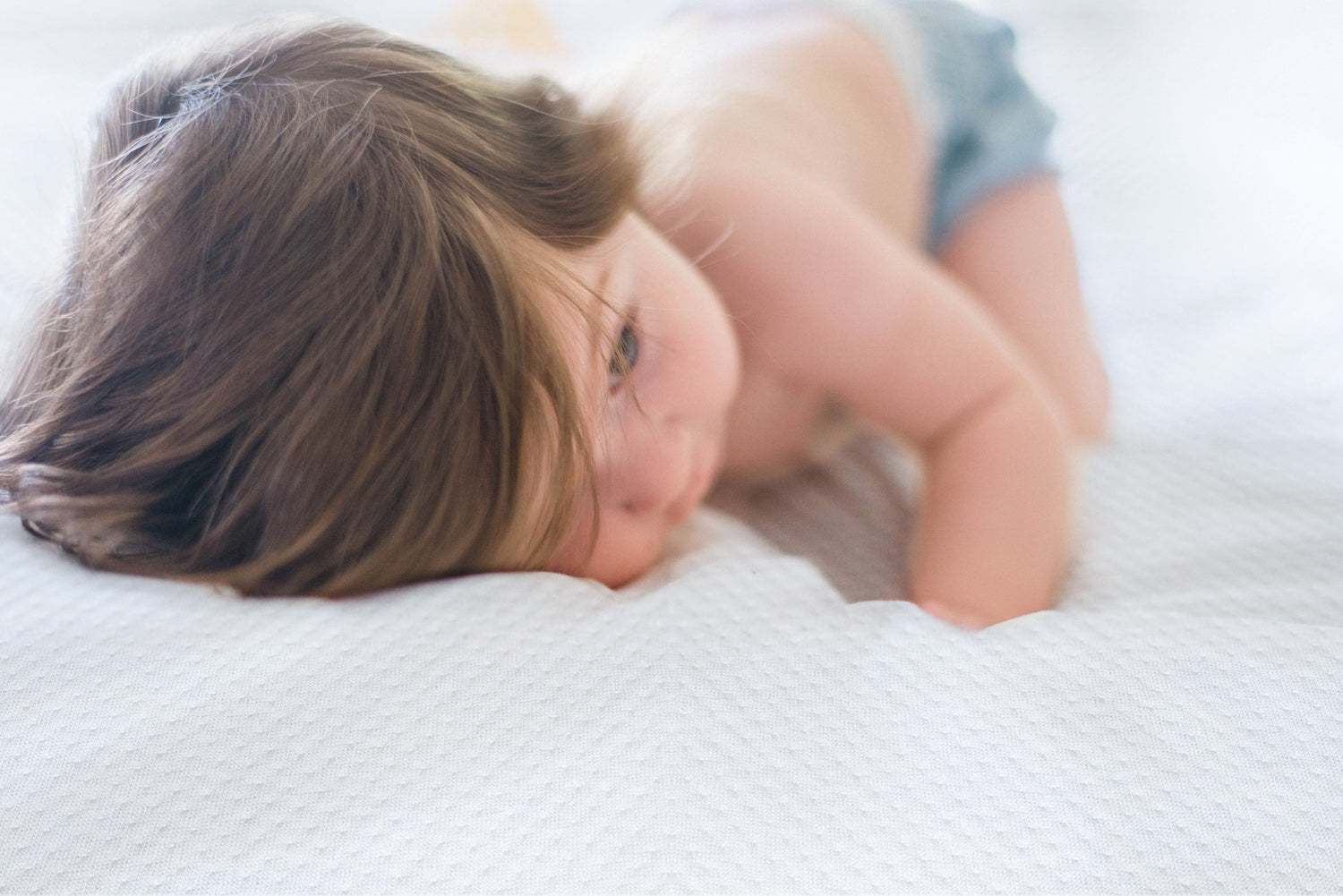

Om ditt barn har eksem har du troligtvis redan prövat att byta krämer, kost och badroutiner. Men det är en sak som många föräldrar förbiser tills problemet blir omöjligt att ignorera: sängkläderna.
Barn tillbringar upp till 12 timmar om dagen i sängen. Det är 12 timmars kontakt mellan känslig, eksembenägen hud och tyget som omger dem. Fel sängkläder kan utlösa nattskrapning, störa sömnen och ångra allt du noggrant applicerat vid badtillfället. Rätt sängkläder botar inte eksem, men de kan göra nätterna märkbart lugnare och morgonarna lite lättare att ta sig an.
Den här guiden täcker allt du behöver veta om att välja sängkläder för barn med eksem: vad du ska titta efter, vilka material som fungerar, vad du ska undvika och hur du skapar en sovmiljö som ger ditt barn bästa möjliga chans till en bekväm natt.

Varför Sängkläder Spelar Roll för Eksembenägen Hud
Eksem förvärras på natten av flera väldokumenterade orsaker. Kroppstemperaturen sjunker, vilket gör att huden förlorar fukt snabbare. Kortisol, kroppens naturliga antiinflammatoriska hormon, är lägre på natten vilket innebär att huden är mindre skyddad. Och när ett barn ligger stilla och tyst utan distraktioner, blir känslan av klåda det enda som finns.
Lägg till sängkläder som håller kvar värme, håller fukt mot huden eller irriterar genom grov struktur, och du har förutsättningarna för en mycket jobbig natt.
Det goda nyheten: sängkläder kan du byta. Och till skillnad från receptbelagda krämer eller elimineringsdieter är det ett enkelt ingrepp utan biverkningar.
Soothla grundades just på grund av denna verklighet. Grundarens son hade svårt eksem och sömnlösa nätter, för både barn och förälder, var helt enkelt en del av livet tills rätt kombination av tyg och design gjorde en verklig skillnad. Den erfarenheten är anledningen till att varje Soothla-produkt är tillverkad som den är.
Vad du ska Titta efter i Eksemvänliga Sängkläder: 5 Viktiga Egenskaper
1. Mjukt, Andningsbart Tyg (Naturliga Fibrer)
Den enskilt viktigaste faktorn. Tyg som inte andas håller kvar värme och fukt mot huden och skapar exakt den varma, fuktiga miljö som utlöser skrapning.
Naturliga fibrer som TENCEL lyocell, ekologisk bomull och linne låter luft cirkulera och transporterar fukt bort från huden. TENCEL är särskilt effektivt: det absorberar upp till 70% mer fukt än bomull, vilket innebär att svett dras bort från huden genom fibern snarare än att sitta kvar mot den.
Undvik: polyester, syntetblandningar, mikrofibrer. Dessa håller kvar värme, andas inte och erbjuder ingen fördel för känslig hud.
2. Allergivänligt och Dammkvalsterresistent
Dammkvalster är en av de vanligaste eksemutlösarna för barn. De lever i sängkläder, lever på döda hudceller och trivs i varma, fuktiga miljöer, vilket är precis vad ett barns säng tenderar att vara.
Allergivänliga sängkläder minskar miljön där dammkvalster kan överleva. Leta efter:
- Tät vävning, färre utrymmen för kvalster att bosätta sig i
- Tvättbarhet vid 60°C, temperaturen vid vilken dammkvalster dödas
- OEKO-TEX Standard 100, Klass 1-certifiering, den högsta säkerhetsklassen, specifikt för artiklar i kontakt med babyers hud
3. Sömlös eller Platt-söm Konstruktion
Barn kastar och vrider sig under sömnen, och varje gång de rullar om trycks grova sömmar mot huden. För ett barn med eksem är den friktionen en utlösare. Kontrollera fållsömmarna, armhålesömmarna och kantsömmarna. Platta eller utvändiga sömmar, där sömmen sitter på utsidan av tyget snarare än mot huden, gör en betydande skillnad för barn med känslig hud.
4. Lätt att Tvätta och Hållbart
Föräldrar till barn med eksem tvättar sängkläder oftare än de flesta, helst varannan vecka. Det är 50 till 100 tvättar per år. Sängkläder som försämras, noppas eller förlorar sin mjukhet efter 20 tvättar är inte lämpliga.
Leta efter: maskintvättbar vid 60°C, kompatibel med allergivänligt tvättmedel och fiberintegritet vid upprepad tvättning. TENCEL behåller sina egenskaper genom 100+ tvättar; ekologisk bomull vanligtvis 50 till 100.
5. Temperaturreglering
Överhettning är en primär eksemutlösare. Sängkläder som håller kvar värme, tjocka täcken, tunga polyesterfyllningar, syntetövertäcken, driver upp kroppstemperaturen under sömnen och orsakar svettning som irriterar redan känslig hud. Andningsbara, fuktavledande material som TENCEL självreglerar, anpassar sig efter kroppstemperaturen och avleder överskottsfukt innan det blir ett problem.
Materialtest: Vilka Tyger är Bäst för Eksem?
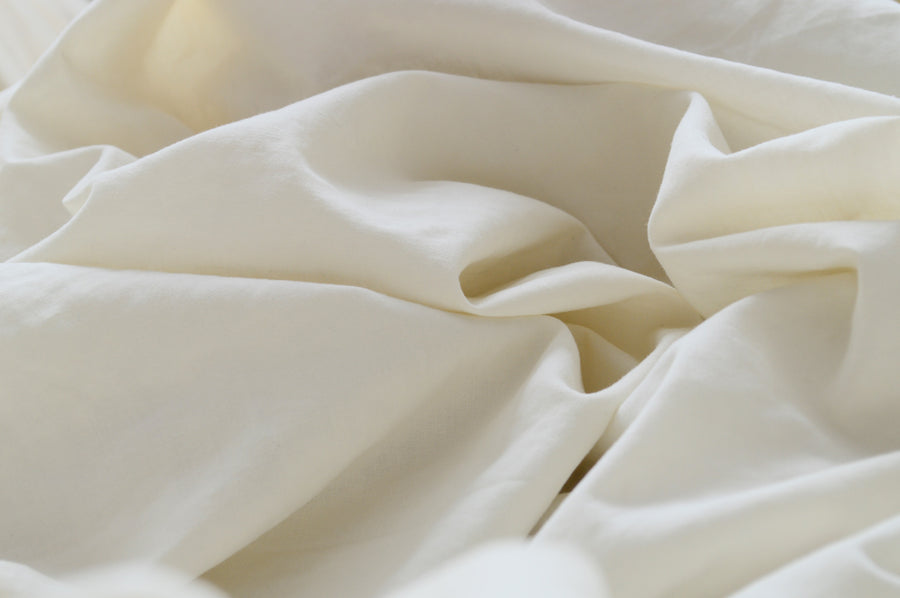
TENCEL Lyocell: Förstahandsvalet
Tillverkat av hållbart insamlad eucalyptusvedmassa i en sluten tillverkningsprocess som återvinner 99% av de använda lösningsmedlen. Upp till 70% mer fuktabsorberande än bomull, allergivänligt, silkesmjukt och hållbart genom 100+ tvättar. Guldstandarden för eksembenägen hud.
Soothlas fördel: Våra sängkläder använder TENCEL berikad med zink (Smartcel Sensitive-teknologi), vilket lägger till antibakteriella egenskaper till TENELs redan starka grundprofil. Läs hur zinktextil fungerar →
Ekologisk Bomull: Bra Andrahandsval
Andningsbar, naturligt mjuk, prisvärd och brett tillgänglig. Leta efter GOTS-certifiering (Global Organic Textile Standard). Mindre fuktavledande än TENCEL och lägre hållbarhet (50 till 100 tvättar), men ett verkligt bra val för mild till måttlig eksem när budgeten är den primära begränsningen.
Bambu Viskos: Använd med Försiktighet
Mjukare än standardbomull och mer fuktavledande, men viskosproduktionsprocessen använder hårdare kemikalier än TENELs slutna process. Kvaliteten varierar avsevärt. Välj endast certifierade alternativ; förvänta dig lägre hållbarhet (30 till 50 tvättar).
Polyester och Syntetmaterial: Undvik
Håller kvar värme och fukt, hyser bakterier, genererar statisk elektricitet. Inte lämpligt för barn med eksembenägen hud.
Sovmiljön: Mer än bara Lakan
Sängkläder är grunden, men hela sovmiljön spelar roll.
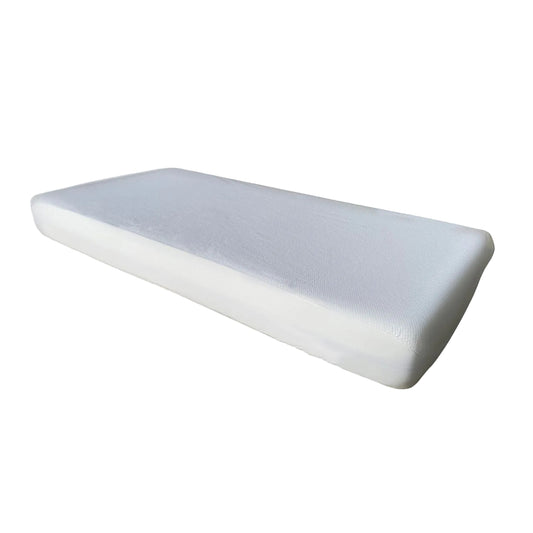
- Madrassskydd: Ett allergivänligt, vattentätt skydd skapar en barriär mellan ditt barn och madrassen, som samlar dammkvalster med tiden. Tvätta månadsvis.
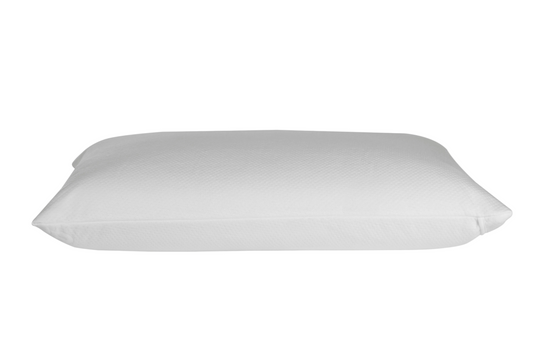
- Örngott: Samma regler gäller som för lakan. Ansiktet och halsen är i kontakt med det hela natten.
- Täcke: Leta efter andningsbara, tvättbara fyllningar. Lätt är bättre än tungt. En fyllning som är tvättbar vid 60°C är en tydlig fördel.
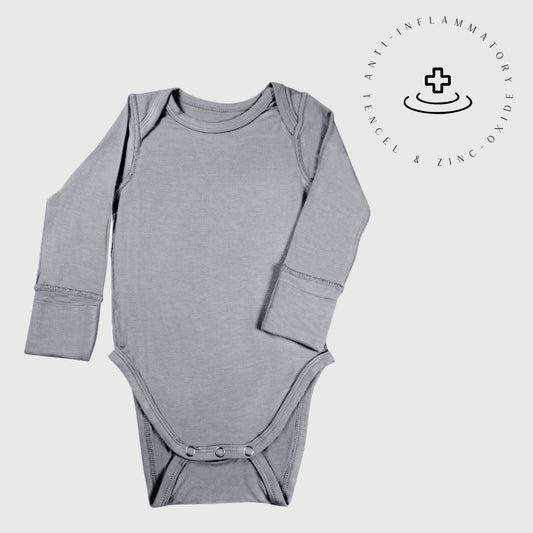
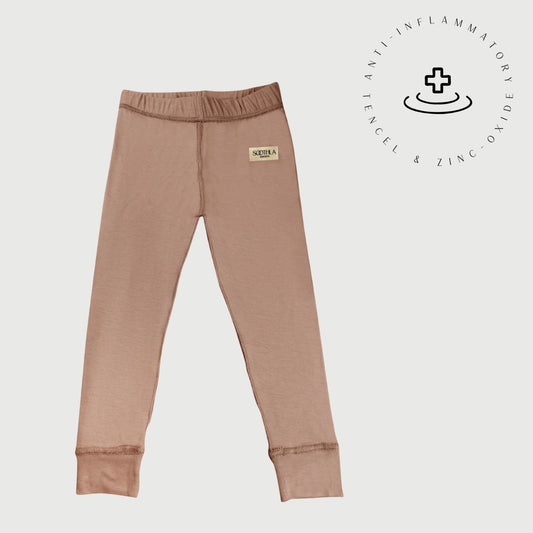
- Pyjamasen: Kläderna ditt barn sover i är lika viktiga som sängkläderna de sover på. Sömlös design, andningsbart tyg, omslagsvantar: samma principer gäller. Utforska Soothlas sovplagg →
- Rumstemperatur: 18 till 20°C är det evidensbaserade målet. Svalare rum innebär mindre svettning och färre skov.
- Luftfuktighet: 40 till 50% relativ luftfuktighet är idealiskt. En enkel hygrometer (under 150 kr) tar bort gissningarna.

Så byter du till Nya Sängkläder
Om ditt barn har svårt eksem, introducera inte allt på en gång.
- Gör det stegvis. Börja med örngottet, det har närmast kontakt med ansiktet. Vänta en vecka, observera och introducera sedan nya lakan.
- Följ de första tre nätterna noga. Hudreaktioner, om de uppstår, dyker vanligtvis upp inom de första dagarna av kontakt med ett nytt material.
- Ha en enkel loggbok. Notera sömnkvalitet och synlig skrapning. Även ett ungefärligt betyg (1 till 5) varje morgon berättar mycket över två veckor.
- Involvera äldre barn. Låt dem välja färg eller mönster. Ett barn som känner äganderätt över sina sängkläder tenderar att somna lättare i dem.
Vad Föräldrar Säger
"Det mjukaste materialet, verkligen skönt att sova på, och det känns bra att veta att mina barn sover på material som är bättre för deras hälsa."
"Mycket mjukt material och skönt att sova på."
Vanliga Frågor: Sängkläderfrågor för Eksemföräldrar
Hur ofta ska jag tvätta mitt barns eksemsängkläder?
Varannan vecka, med ett parfymfritt, allergivänligt tvättmedel vid 60°C. Mer frekvent under skov. Använd inte sköljmedel.
Är dyra sängkläder värda det?
Det beror på materialet, inte priset. Välvalda TENCEL-lakan med högre initial kostnad kan hålla längre än tre uppsättningar billigare bomull. Över tre år visar sig TENCEL ofta billigare per tvätt, och de presterar bättre under hela perioden.
Mitt barn är allergiskt mot dammkvalster. Vilka sängkläder hjälper mest?
Prioritera tvättbarhet vid 60°C, tät vävning och OEKO-TEX 100 Klass 1-certifiering. Komplettera med ett allergivänligt madrassskydd och tvätta det månadsvis.
Kan jag använda vanliga sängkläder om jag tvättar dem oftare?
Tvättfrekvens hjälper mot dammkvalster, men förändrar inte tygets andningsbarhet eller mjukhet. Ett barn som sover på polyester som tvättas dagligen har fortfarande en icke-andningsbar yta mot sin hud hela natten.
Vad händer om mitt barn är allergiskt mot TENCEL?
Sanna TENCEL-allergier är sällsynta: fibern innehåller inga kemiska rester som vanligtvis utlöser reaktioner. Om irritation uppstår är certifierad ekologisk bomull ett starkt alternativ. Konsultera din dermatolog för att identifiera den faktiska utlösaren innan du byter.
Din Checklista för Sängkläder
Kontrollera innan du köper:
- Naturlig, andningsbar fiber (TENCEL eller certifierad ekologisk bomull)
- OEKO-TEX Standard 100, Klass 1-certifiering
- Platta eller utvändiga sömmar
- Maskintvättbar vid 60°C
- Allergivänlig, inga syntetiska färgämnen, ingen hård kemisk behandling
- Fuktavledande egenskaper
- Hållbar genom 50+ tvättar
Rekommenderad av Läkare
"Soothlas produkter är utvecklade baserade på forskning; därför känner vi oss trygga med att rekommendera dem till våra patienter med extremt känslig hud och eksem."
Redo att Uppgradera ditt Barns Sängkläder?
Soothlas sängkläder är tillverkade av TENCEL lyocell berikad med zink, certifierade OEKO-TEX Standard 100 Klass 1 och specifikt designade för barn med känslig och eksembenägen hud. Designade i Sverige, tillverkade i Portugal.
Alla köp levereras med en 30 dagars nöjdhetsgaranti. Om det inte gör skillnad kan du returnera det.
Den här artikeln är enbart avsedd för informationsändamål och utgör inte medicinsk rådgivning. Om ditt barns eksem är svårt eller förvärras, kontakta en dermatolog.